Living with damp patches or mould isn’t just an eyesore—it can weaken walls, raise heating bills and seriously affect health. Renters and landlords alike need to spot issues early, understand what’s causing them and know which solutions really work.
The Different Types of Damp
Homes can suffer from several types of damp problems. Here’s a quick overview:
Rising Damp
Groundwater can rise through walls. Where moisture from the ground is not being managed well it can rise up through the walls, as it has nowhere else to go. Tidemarks on skirting boards or a general damp feel at the bottom of walls can be a telling sign.
Penetration Damp
Rainwater gets in through cracks, faulty gutters, leaking roofs or poorly sealed window/door frames. You’ll see staining or wet patches where the external fabric is breached.
Condensation damp
Steam from bathroom or cooking will settle on cold surfaces (windows, walls) and drips down. Over time this creates mould on the coldest parts of the room.
Hygroscopic damp
Materials like plasterboard can absorb moisture from humid air even without leaks. It often shows up as a general clamminess rather than wet patches.
Each of these can host common moulds—Cladosporium (green‑black spots), Penicillium (blue‑green, fuzzy patches) and the more harmful Stachybotrys chartarum (black mould).
What Is Black Mould?
Black mould thrives in consistently damp, poorly ventilated spots. You might see dark, fuzzy patches on walls or ceilings. Left unchecked, it releases spores that can lead to:
- Respiratory problems (wheezing, asthma flareups)
- Allergic reactions (rashes, itchy eyes, sneezing)
- Infections in people with weakened immune systems
Spotting the Warning Signs
- Musty odours around windows, skirting boards or behind furniture
- Discoloured patches (brown, green or black) on walls and ceilings
- Peeling paint or wallpaper bubbling away from the substrate
- Water stains—yellow or brown rings on walls or ceilings
- Frequent condensation on windows, beyond the odd foggy pane
Effective Solutions
These measures tackle moisture at its source and help prevent mould returning:
- Improve Ventilation
- Fit humidity-controlled extractor fans in bathrooms and kitchens
- Install trickle vents on windows to encourage constant airflow
- Ensure that there are 1cm undercuts on all the internal doors
- Understand where damp is coming from
- Chemical injections or physical membranes can stop moisture rising but if not installed correctly it also can push moisture to other places. It is important to understand how the building is working, tackle the source of the moisture, rather than covering it up or blocking it out.
- Upgrade Insulation
- Cavity wall or loft insulation to keep walls warmer and reduce condensation
- Internal wall boards with vapour barriers where external insulation isn’t feasible
- Any insulation upgrades should also incorporate a good ventilation system to allow the house the ‘breathe’.
- Seal and Repair Building Fabric
- Repoint brickwork, replace broken roof tiles and reseal around windows and doors
- Control Indoor Humidity
- Use dehumidifiers in problem areas
- Monitor humidity levels and ventilate when they exceed 60 percent
Talking It Through: A Landlord – Tenant Guide
Landlords’ responsibilities and legal duties
- Under the Homes (Fitness for Human Habitation) Act and Housing Health and Safety Rating System, landlords must keep properties free from serious damp and mould hazards.
- Landlords are responsible for structural fixes; repairing leaks, ensuring adequate ventilation and maintaining dampproof courses.
- Moisture can damage the building fabric and can cause costly upgrades. It is in the landlord’s interest to deal with the source of damp and moisture penetration rather than implementing solutions which ‘cover up’ damp and mould.
- Under the proposed Renters (Reform) Bill, landlords will have a strengthened legal responsibility to maintain homes in a decent standard, including tackling issues like damp and mould. Persistent problems that affect health and safety must be addressed promptly, and failure to act could impact a landlord’s ability to evict tenants using Section 8 grounds.
Tenants’ responsibilities
- Tenants should use extractor fans or open windows when cooking and showering, keep trickle vents on windows unblocked and promptly report leaks or cold spots.
- Simple actions, like wiping window frames and airing rooms, help prevent condensation turning into mould.
- Drying clothes responsibly; Avoid drying clothes on radiators or indoor airers without good ventilation. Use an outdoor line, a vented tumble dryer, or dry near a window in an open area of the house.
How to have a productive conversation – Tenant ↔ Landlord
- Share clear evidence: tenants should send dated photos and notes (e.g., “10 July: heavy condensation on kitchen window each evening”).
- Explain impacts on both sides: discuss how damp drives up heating costs for the tenants and can lead to expensive repairs or void periods for the landlord.
- Propose joint solutions: outline possible fixes and agree on a timeline – be proactive and help ensure both sides understand next steps.
- Refer to the law: reminder that timely action prevents legal risk and maintains duty of care.
- Agree on simple tenant actions: request that tenants run fans, keep vents clear and report issues early to make any retrofit solutions more effective.
How Let Zero Can Help
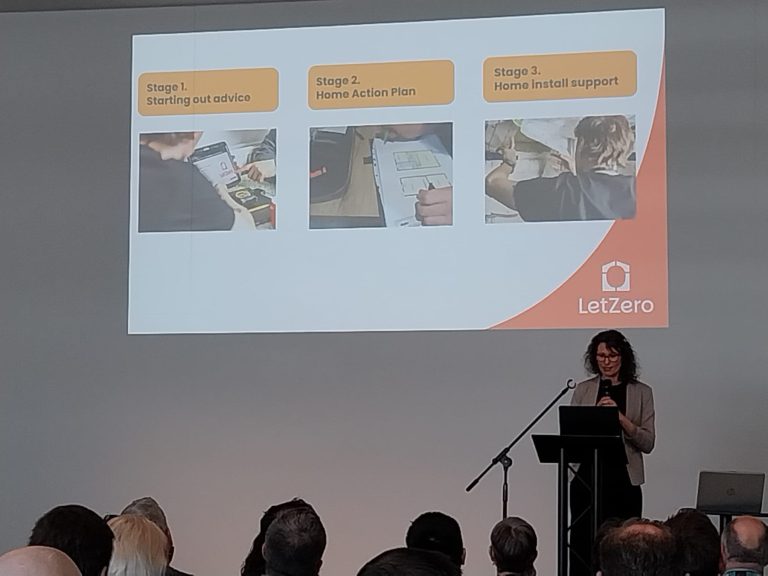
Need a bit of guidance? Let Zero’s retrofit advice service is here for both tenants and landlords in South Yorkshire. We’ll help you understand which measures suit your home, point you to funding options, and answer any retrofit questions—no hard sell, just practical support.
Further Reading & Support
For more detailed guidance on dealing with damp and mould in rental properties, check out:
- Sheffield Directory: Help with Damp & Mould in Rental Properties
- Citizens Advice: Information on tenant and landlord responsibilities
- Shelter: Emergency housing support and legal advice
- Local Council Housing Team: Enforcement and repair notices
Reference List
- National Health Service (NHS) Guide on Damp and Mould
- Health Risks of Mould: World Health Organization
- Shelter – Housing Advice on Damp and Mould
- UK Government – How to Rent Guide
- NHS UK: Health risks associated with mould: NHS Mould Health Risks
- Energy Saving Trust: Advice on condensation, damp, and mould
- UK Government: Guidelines on dealing with damp and mould